Many people still think of battery storage as a simple backup for home solar panels. At HiTHIUM, we see it differently. A bess battery energy storage system is now a foundational component of modern infrastructure. From wastewater treatment plants to telecommunications networks and emergency response centers, reliable power is not a luxury, it is a requirement. As extreme weather events become more frequent and grids face growing strain, infrastructure operators worldwide are turning to battery storage. When you work with experienced battery energy storage system suppliers, this technology becomes more than just a power reserve, it becomes an operational asset that keeps essential services running no matter what the grid does.
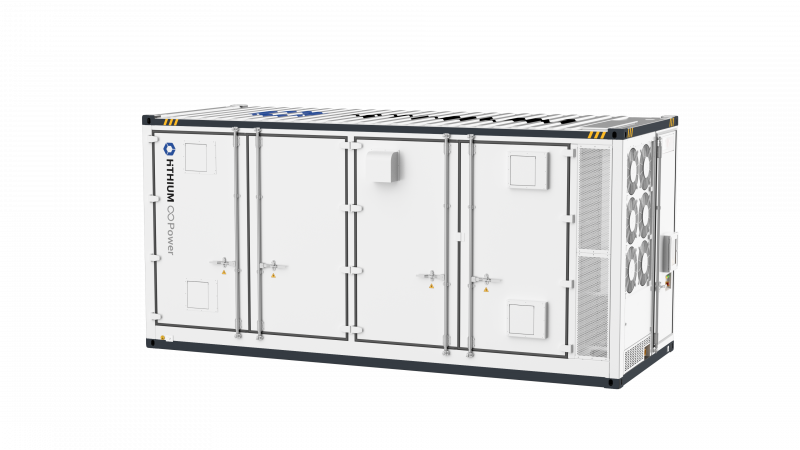
The most immediate reason infrastructure depends on battery storage is resilience. Water pumping stations, 911 dispatch centers, airports and data centers cannot tolerate unplanned downtime. A bess battery energy storage system provides near-instantaneous backup power, switching to island mode within milliseconds of a grid failure. This seamless handover keeps equipment running without the delays or emissions associated with diesel generators. For essential services like healthcare and telecommunications, microgrids integrated with battery storage offer localized resilience that protects communities during wide-area outages. When facility managers choose reliable battery energy storage system suppliers, they get systems designed for continuous operation, complete with remote monitoring and predictive alerts that catch issues before they cause disruption.
Infrastructure operators also rely on battery storage to manage the fluctuations inherent in renewable energy. As more solar and wind capacity comes online, the electrical grid requires flexible assets that can absorb excess generation and discharge when demand peaks. A bess battery energy storage system excels at frequency regulation, voltage support and load shifting, services that keep the grid stable even when weather conditions change rapidly. Our ∞Power portfolio, including the ∞Power 6.25MWh and ∞Power 6.9MWh systems, is engineered to handle rapid load swings while supporting low-carbon infrastructure operations. By smoothing the integration of renewables, these systems allow infrastructure to decarbonize without sacrificing reliability. Working with experienced battery energy storage system suppliers ensures these grid-support functions are properly calibrated to local network conditions.
Another often-overlooked advantage of battery storage is its ability to defer costly capital expenditures. When a substation or transmission line reaches capacity, the usual solution has been expensive physical upgrades. A bess battery energy storage system can instead be placed at strategic points to manage peak loads, reducing strain on aging infrastructure and pushing back the need for new construction. For industrial facilities and renewable energy parks, large-scale storage provides operational flexibility without expanding grid connections. HiTHIUM Bess systems, as offered by battery energy storage system suppliers like us, also help commercial and industrial clients maximize renewable energy usage while reducing carbon footprints. This dual benefit of immediate load relief and long-term deferral makes storage a financially sound choice for infrastructure planning.
From uninterruptible backup power to grid stabilization and capital deferral, battery storage has become indispensable to modern infrastructure. A bess battery energy storage system does more than store electricity, it ensures continuity, supports renewables and protects budgets. HiTHIUM Bess builds purpose-engineered systems that keep critical facilities online when the grid falters and help them operate efficiently when it does not. Working with battery energy storage system suppliers who understand infrastructure demands is the first step toward a more resilient future.




 Previous: