Here is an undeniable shift accelerating across the energy storage landscape:sustainable energy companies are no longer defined solely by their products. The global renewable capacity addition reached 692 GW in 2025, with solar contributing three‑quarters of that expansion. As energy storage becomes the backbone of this transition, stakeholders—from utilities to financial institutions—demand full transparency on environmental and social performance. That demand has placed renewable energy companies ESG friendly practices at the core of procurement decisions, partnership evaluations, and investment criteria. At HiTHIUM, we have structured our sustainability approach around three interconnected pillars: proactive environmental management, responsible social engagement, and transparent governance. From manufacturing decarbonisation to global‑scale product stewardship, every decision we make reflects our commitment to measurable, verifiable ESG outcomes. This article walks through how we translate these pillars into everyday operations.
For sustainable energy companies, environmental responsibility begins at the factory level. Our Xiamen battery production facility has been certified carbon neutral, serving as a replicable blueprint for our expanding global manufacturing footprint. Looking further ahead, we have set a 2035 target to achieve full‑chain carbon neutrality across the group (Scope 1, 2 and 3) throughout the product lifecycle, excluding the use stage, while reaching a recycling rate exceeding 80 % for scrapped raw materials. We also aim to use 100 % renewable electricity across our entire group operations. This commitment goes beyond mere compliance—it is a clear signal that renewable energy companies ESG friendly must embed circular economy thinking into their core business models.
True sustainable energy companies recognise that technology alone cannot drive equitable progress. Our social pillar focuses on two priorities: broadening energy access and supporting the communities where we operate. Through the HeroEE programme, we have made targeted donations to schools and rural electrification projects in Kenya, bringing clean power and educational opportunities to underserved regions. These initiatives directly support renewable energy companies ESG friendly values, demonstrating that responsible business growth and community development go hand in hand. On the internal front, we invest continuously in employee training, occupational health and safety, and customer responsiveness to ensure our workforce reflects the same standards of care we extend externally.
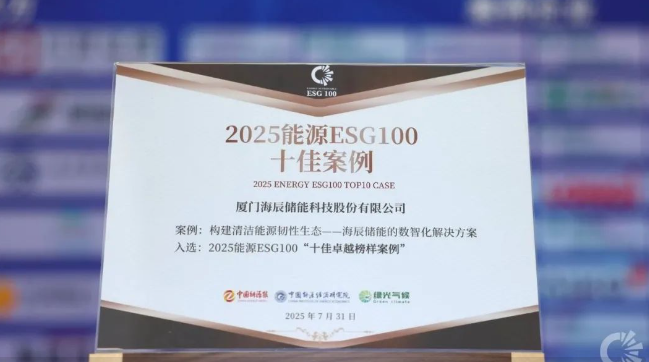
Neither environmental nor social efforts carry weight without rigorous governance. For sustainable energy companies, ESG credibility hinges on independent validation and structured oversight. Our governance pillar rests on ISO management certifications across our operations, a dedicated Board‑level sustainability committee, and full participation in the UN Global Compact (UNGC). These transparent governance mechanisms earned us the EcoVadis Gold Medal, placing HiTHIUM among the top 5 % of rated companies worldwide and marking the highest score ever achieved by a Chinese energy storage enterprise. This recognition reaffirms that renewable energy companies ESG friendly governance structures are not optional enhancements but essential prerequisites for long‑term, reliable partnerships.
As the global energy storage market continues its rapid expansion—with cell shipments expected to reach 801 GWh in 2026—the role of sustainable energy companies in driving this growth carries profound responsibility. At HiTHIUM, we have embedded ESG principles into our manufacturing, our community engagement, and our governance framework. From a carbon‑neutral production facility to EcoVadis Gold recognition and UN Global Compact membership, every layer of our operations reinforces our identity as a renewable energy companies ESG friendly partner. We invite collaborators who share our commitment to measurable, transparent, and lasting sustainability across the entire energy storage value chain.