At HiTHIUM, we have seen firsthand why hithium energy storage technologies must evolve alongside recycling innovations. As demand for reliable and resilient grid support grows, battery recycling is becoming essential to reduce waste and recover valuable materials. Traditional disposal approaches are no longer suitable given the increasing adoption of larger battery installations. We recognize that advancing recycling efforts begins with understanding how batteries are designed, used, and eventually taken apart. In the context of energy storage system companies, this means moving beyond endoflife management and toward circularity—where materials reenter supply chains instead of landfills. Through this perspective, we emphasize the importance of recycling frameworks that contribute to broader sustainability goals while supporting the longterm viability of battery value chains.
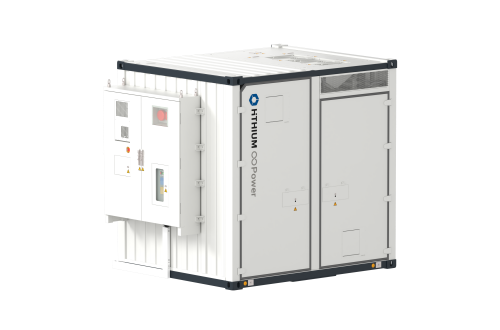
Effective recycling starts when a product is conceived. At HiTHIUM, we integrate recyclability considerations into our ∞Power Flexsso battery solutions without compromising performance. The modular 10 ft design simplifies transport and installation, and it also enables easier disassembly at end of life. Structural choices that reduce complexity can improve industry recycling outcomes over time. Furthermore, it is important for energy storage system companies to assess efficiency impacts and regulatory alignment during design. Our systems achieve ≥ 95 % roundtrip efficiency (DC) and are fully aligned with EU Battery Regulation (2023/1542), which increasingly emphasizes recycling content and endoflife treatment. By aligning design with regulatory expectations, we help ensure that recycled materials return to battery manufacturing or other industrial uses. Thoughtful design reduces environmental footprint and supports resource recovery at scale.
Battery recycling is not a solitary activity but a collaborative undertaking among manufacturers, recyclers, policymakers, and customers. As hithium energy storage deployments scale globally, cooperation across stakeholders becomes more urgent. At HiTHIUM, we engage with recycling partners to refine material extraction methods and improve recovery rates for metals such as lithium, nickel, and cobalt. These interactions deepen understanding of how various chemistries behave at end of life, which in turn informs future product development. In addition, adopting consistent standards across energy storage system companies can reduce fragmentation in recycling practices. When the industry shares insights and technological advances, collective outcomes are stronger, and the pathway toward resource efficiency is more attainable.
As we look ahead, we remain committed to enhancing battery recycling as part of responsible hithium energy storage deployment and sustainable resource management. Through integrative product design, collaboration with industry partners, and alignment with regulatory frameworks, we believe that recycling will play a growing role in how energy storage system companies manage endoflife systems. Our experience with the ∞Power Flexsso product line demonstrates that performance, efficiency, and recyclability can coexist. By treating recycling as a design priority rather than an afterthought, we support resource resilience and contribute to longterm energy sustainability. We anticipate that continued innovation in recycling processes will reduce waste, conserve critical materials, and strengthen the environmental performance of the storage industry.




 Previous: