Across modern power networks, grid operators are facing growing pressure from fluctuating electricity demand, renewable integration, and the need for stable power delivery. At HiTHIUM, we recognize that adaptable energy storage systems can play an important role in helping utilities respond to these challenges with greater confidence. As demand patterns continue to shift, flexible deployment models and scalable battery technologies are becoming essential parts of long-term infrastructure planning.
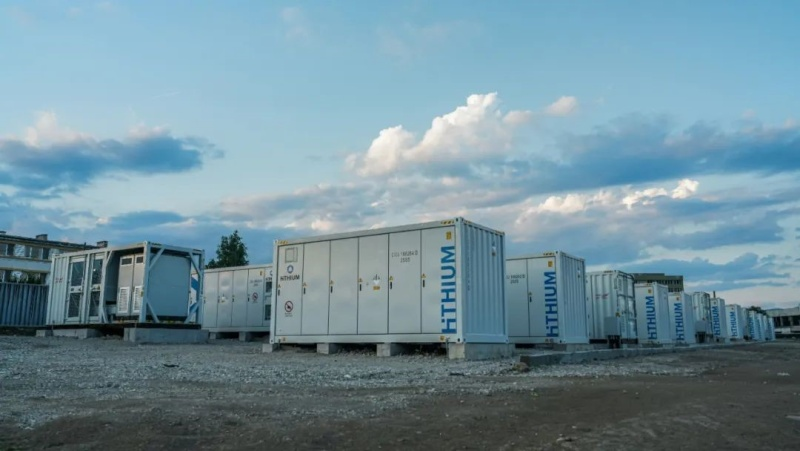
Power systems rarely operate under fixed conditions. Seasonal consumption, renewable energy variability, and unexpected peak loads all require infrastructure that can respond efficiently. This is where utility scale battery storage can provide practical value. By storing excess electricity during periods of lower demand and releasing it when consumption rises, these systems help utilities maintain operational balance without depending entirely on conventional generation sources.
At HiTHIUM, we focus on delivering adaptable technologies that support different grid applications. Our HiTHIUM Bess systems are designed to integrate into various operational environments, whether utilities require peak shaving, renewable integration, or backup power support. Through scalable configurations, utilities can expand storage capacity according to project requirements instead of committing to oversized infrastructure from the beginning.
In addition, flexible system architecture allows project developers to respond more effectively to changing regional energy policies and grid requirements. This adaptability makes utility scale storage solutions increasingly valuable for utilities seeking long-term operational flexibility.
Renewable energy adoption continues to grow globally, but renewable generation does not always align with real-time electricity demand. Solar and wind output can vary significantly depending on weather and time of day. Without sufficient storage capacity, utilities may experience grid instability or renewable energy curtailment.
By implementing utility scale battery storage, utilities gain the ability to capture renewable energy when production is high and dispatch stored electricity when generation decreases. This improves renewable energy utilization while helping stabilize voltage and frequency across the network.
At HiTHIUM, we develop energy storage technologies that support smooth renewable integration through responsive battery management and scalable system design. Our HiTHIUM Bess portfolio is built to support both standalone storage projects and hybrid renewable-storage applications. Flexible integration capabilities also allow utilities to optimize energy dispatch strategies according to local operating conditions.
As more regions invest in cleaner power generation, the demand for adaptable utility scale storage solutions will continue to expand. Storage systems that can operate across different use cases provide utilities with more operational options while helping strengthen overall grid resilience.
Grid reliability remains one of the most important priorities for utility providers. Sudden spikes in demand, equipment failures, and transmission limitations can all place stress on power systems. Flexible storage infrastructure offers utilities an additional layer of operational support during these situations.
One advantage of utility scale battery storage is its ability to respond rapidly to changing grid conditions. Unlike some traditional generation resources, battery systems can deliver stored electricity almost instantly when required. This fast response capability helps utilities improve frequency regulation and maintain more stable grid operations.
At HiTHIUM, we understand that no two energy markets are identical. That is why our HiTHIUM Bess systems are developed with scalable and modular configurations that can adapt to varying project sizes and technical requirements. Utilities can deploy utility scale storage solutions in phases, allowing infrastructure expansion alongside future grid development needs.
Flexible storage systems also support transmission optimization by reducing strain on existing grid assets during high-demand periods. As utilities continue modernizing infrastructure, adaptable storage technologies are becoming increasingly important for improving operational efficiency and supporting long-term energy reliability.
Flexible energy storage systems are becoming an important part of modern grid infrastructure as utilities work to balance reliability, renewable integration, and changing electricity demand. At HiTHIUM, we remain focused on developing scalable HiTHIUM Bess technologies that support practical and adaptable energy management strategies. Through carefully designed utility scale battery storage and responsive utility scale storage solutions, utilities can strengthen grid performance while preparing for future energy challenges.




 Previous: